|
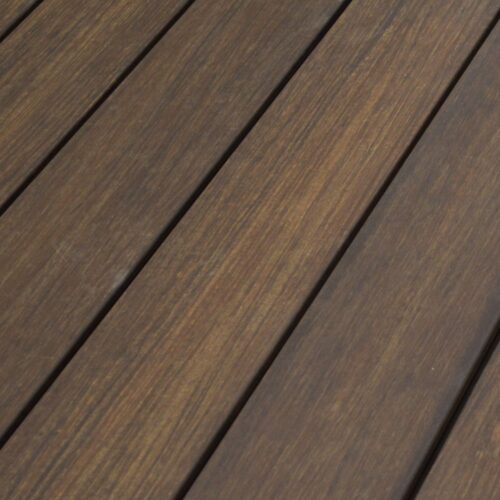
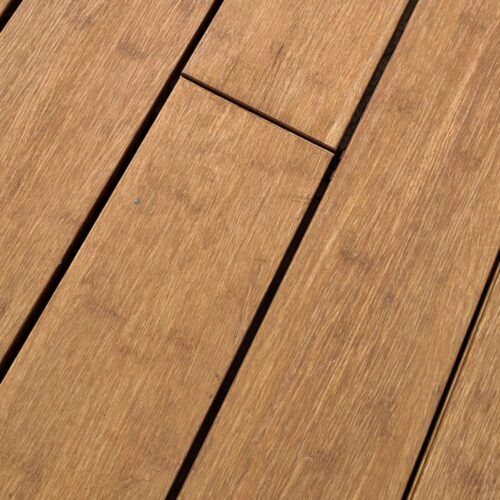
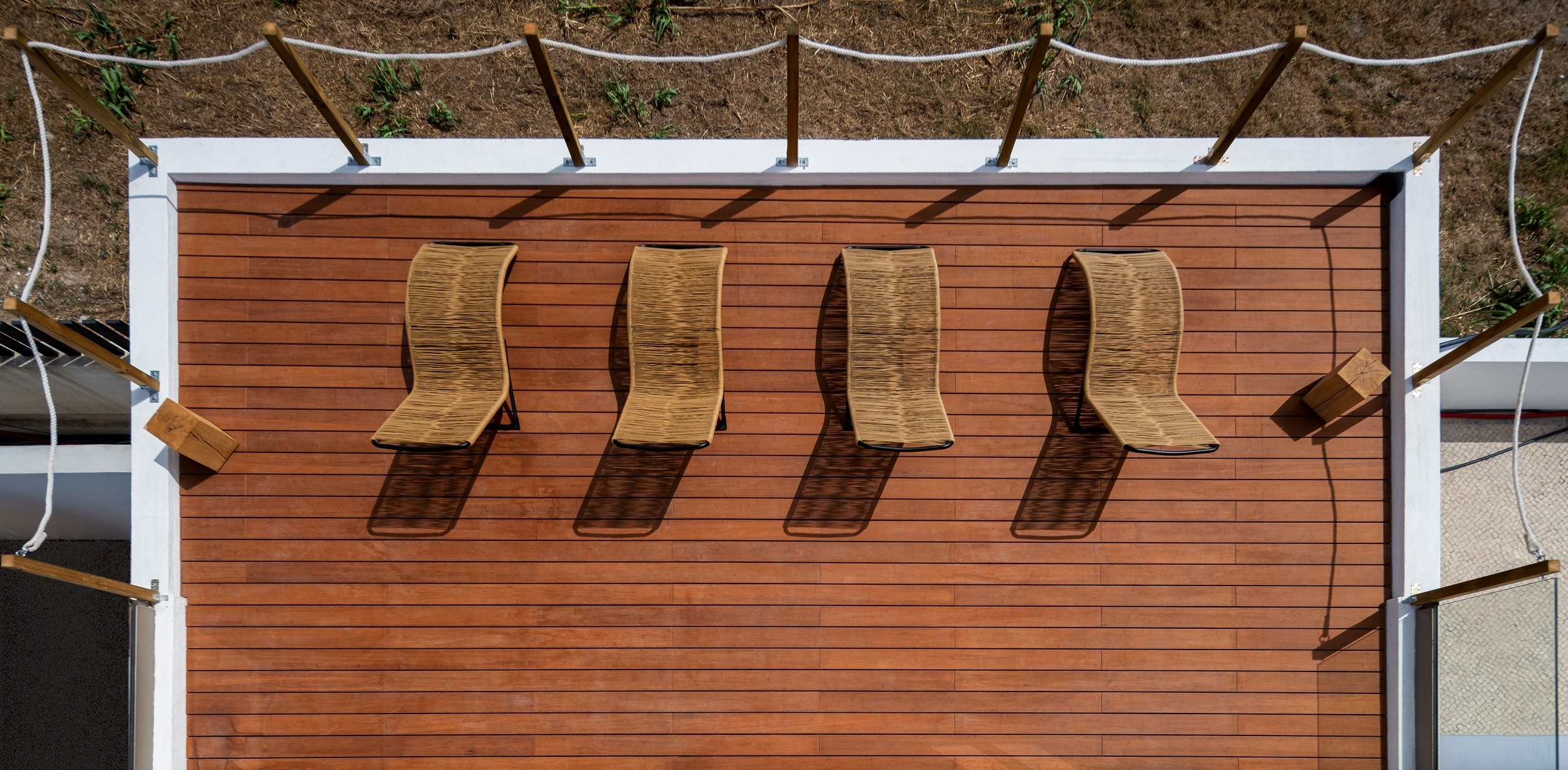
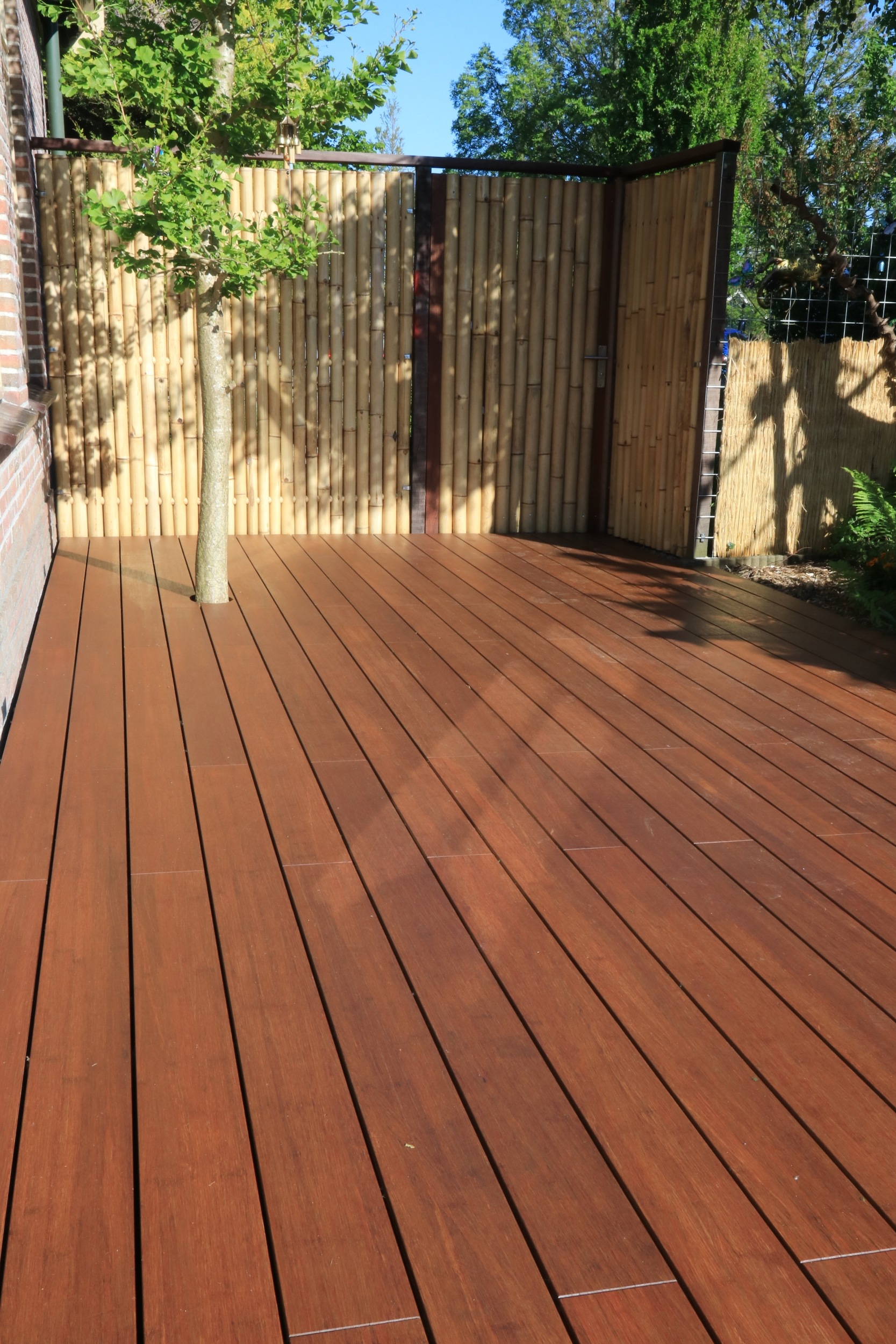
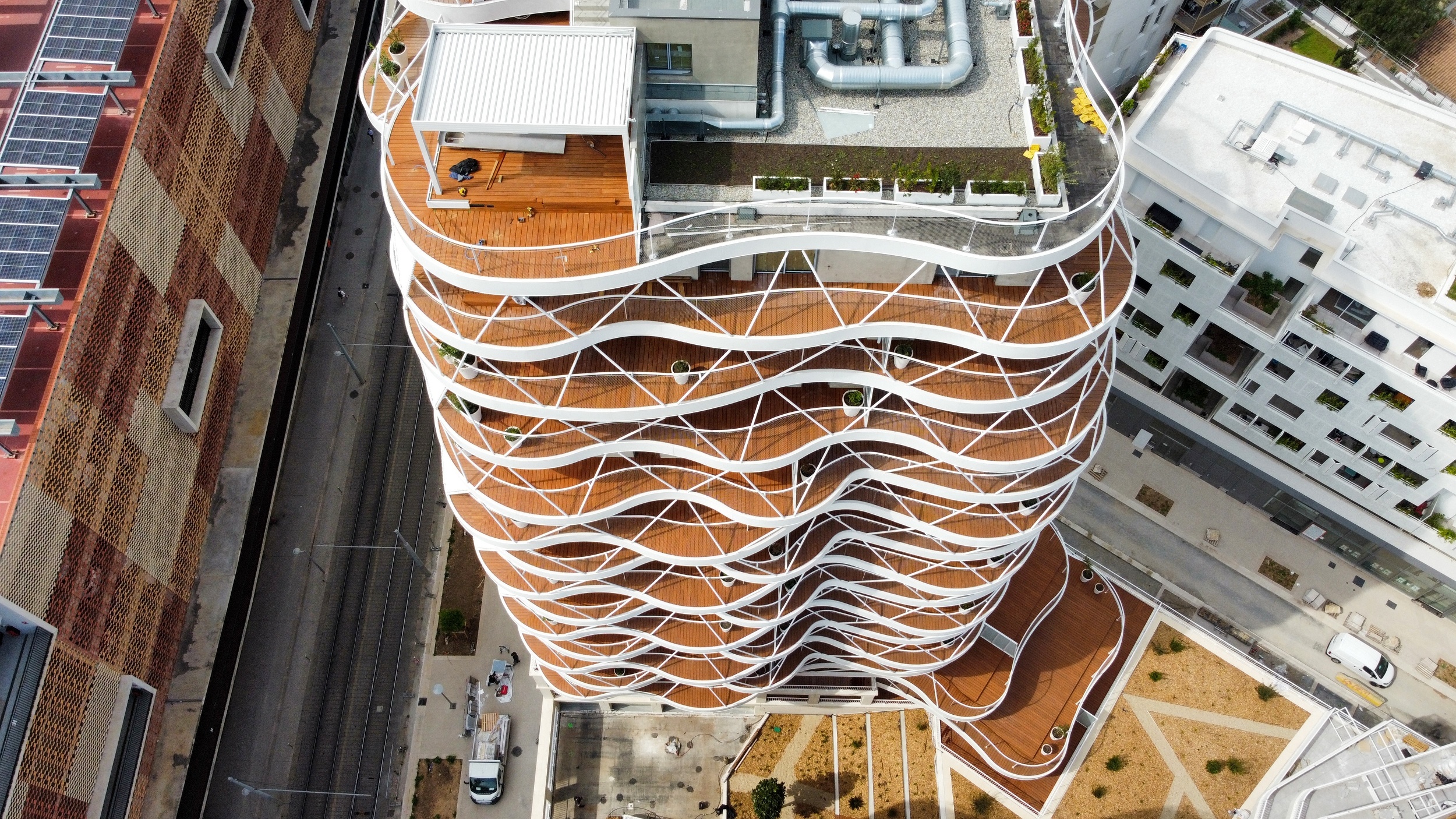
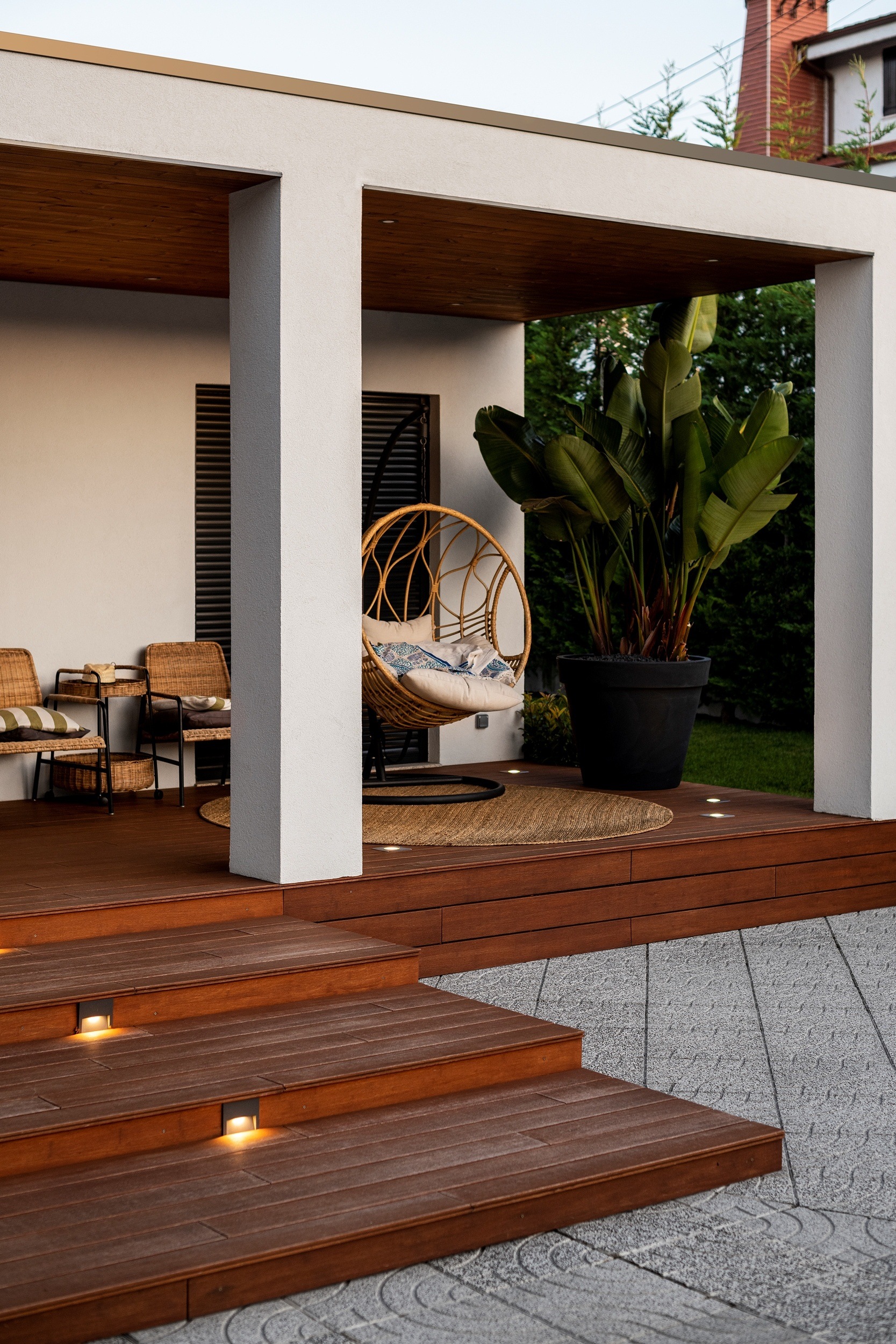
The use of bamboo as a raw material for parquet flooring and furniture boards is a genuine innovation. This giant grass creates the possibility to manufacture a wide range of natural flooring, furniture, or interior decoration solutions. Therefore it is an efficient and ecological intelligent alternative to other conventional hardwood floorings.
According to botanical criteria bamboo belongs to the species of gramineae (grasses). However its chemical composition clearly classifies it as "wood" consisting mainly of cellulose and lignin.
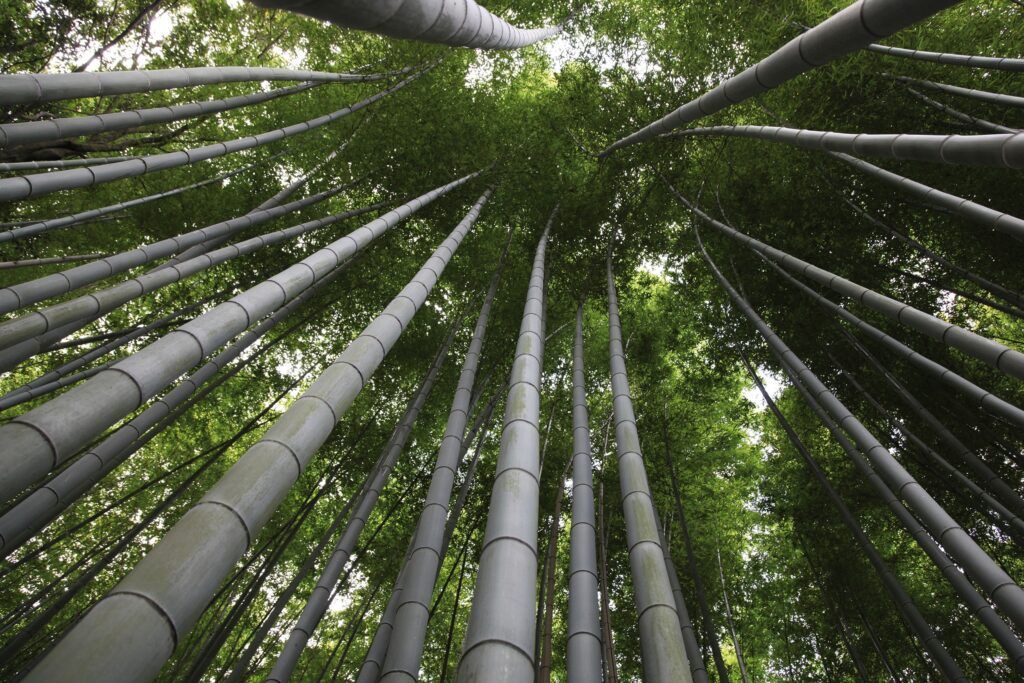
Bamboo displays incredible vitality and surprises with superlatives. The species "Phyllostachys Pubescens" which is used to manufacture our products grows an average 30 cm a day and produces several times the quantity of biomass compared to traditional hard- or softwoods.
After approximately five years the bamboo culms are lignified and have reached their optimum quality for being processed. Every year 20% of the culms of a bamboo forest can be cut down without decreasing its numerical existence. These positive characteristics demonstrate impressively the extraordinary ecological balance of bamboo.
The earth is encircled by a bamboo belt and natural bamboo occurrences can be found on nearly all continents north and south of the 40th degree of latitude with the exception of Europe and the Antarctic. Today botanists distinguish a variety of more than 1500 species ranging from types of ground shrubs to 30 m high bamboo giants.
|
However the largest variety and occurrences are found in Asia. There - more precisely in China the earth largest connected bamboo resources can be found. This subtropical region is home of "Phyllostachys Pubescens", the sort that all bambeau products are made of.
Although bamboo has been relatively unknown in European culture some of the technical milestones of western development are linked to it. Acting upon a sudden idea, Thomas Alva Edison (1847-1931) succeeded in producing a first flicker of his early incandescent bulb by means of carbonised bamboo fibres. In the early times of the gramophone a bamboo fibre used as a pick-up provided the first audio pleasure.
In Asia, however, bamboo has been an element of culture for thousands of years and has become established in almost all fields of life. Its exceptional material properties such as high resistance to pressure, tension, and bending as well its extreme hardness make bamboo a building material of superior quality.
Far eastern philosophy used the image of the plant with its impressive physical properties to illustrate strength and toughness. In the aesthetic sense of the Japanese, bamboo is the embodiment of soft melancholy. Bamboo laughs, the Chinese say, it nourishes both body and soul and eases the mind.
|